
Do not have to think long to say that it's made of metals. But from what? In order to determine this, you need to understand what is the difference between ferrous and non-ferrous metals. What is the difference between ferrous and non-ferrous metals? The answer is simple: ferrous metals contain iron, and color metals do not. A deeper answer is that ferrous metals and non-ferrous metals have their distinctive properties. These properties determine those areas of use for which they are suitable or not. We will talk about non-ferrous metals, such as, for example, a brass sheet. It is used in the chemical industry, machine building, printing and so on.
So, non-ferrous metals have been used since the beginning of civilization. The discovery of copper occurred in 5000 BC, and this marked the end of the Stone Age and the beginning of the Copper Age. Later, they invented bronze (an alloy of copper and tin), the bronze age began. The use of ferrous metals began in about 3.5 centuries. Non-ferrous metals include aluminum, copper, lead, zinc and tin, as well as precious metals (silver and gold) in their list. Their main advantage over ferruginous materials is malleability. They also do not contain iron, which increases resistance to rust and corrosion and makes them ideal for gutters, liquid pipes, roofing coatings and outdoor signage. Products from them are not magnetized, which is important for many applications in electronics and electrical wiring, where an electrical bus is used (usually copper).
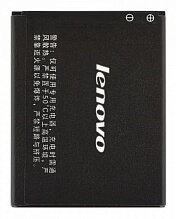
So the answer lies on the surface: accessories, batteries, and phones themselves always contain parts and components from non-ferrous metals. In this out feature and value!
 |
|||||||||
|
Catalog
Survey Вы покупаете через интернет?
|
Заказы на сайте принимаются только в электронном виде
What are the batteries and accessories made for mobile phones from?
|
||||||||
|
Recommended reading

Articles
|


Currency:
Blog / News
Language


| Нас посещают: |