

Methods of protection of electrical devices against abrupt voltage surges
In the electrical network of any apartment or house, the voltage according to GOST should correspond to a value of 220 Volts with a possible deviation of plus / minus 10 percent. A sharp rise in voltage to 243 volts and higher creates a danger for household appliances and can lead to breakdowns and even fire electrical appliances. We receive batteries from UPS for recovery. It is for this reason that it is recommended not to leave the included appliances unattended. Even at the slightest suspicion of a voltage surge, you should immediately turn off the lights and pull out all the cords from the sockets. In this article we will discuss the main methods of protection against overvoltage.
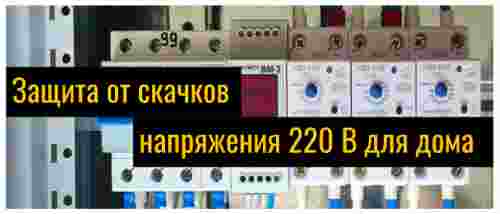
The first method includes the use of voltage control relays - this is a very inexpensive, but effective way. During power surges, it immediately de-energizes the part of the circuit it protects, and then re-enables it in automatic mode. There are two types of such relays: the first are installed directly into the outlet, and the second are mounted in an electrical panel.
The second method of protection is the use of a network filter that can protect a stand-alone TV, computer, microwave, refrigerator and other devices from a small overvoltage. Big jumps can not stand it.
Instead of network filters, you can use stabilizers that protect household appliances from overvoltage, without turning it off. The fact is that at voltage surges, they reduce this figure, always giving out 220 volts.
The last way is to use uninterruptible power supplies. These devices are somewhat similar to stabilizers, but unlike them they have their own battery.


